Posts Tagged ‘The Choice Factory’

Marketing 101 — Why Do We Do the Things We Do?

March 2, 2024

The trouble with market research is that people don’t think what they feel, they don’t say what they think, and they don’t do what they say.
David Oglivy. (1)

According to Richard Shotton, when it comes to making buying decisions, “people often don’t know their genuine motivations.” (2) Shotton describes an experiment conducteded by Adrian North at Leicester University where a supermarket alternated the music they played in their wine aisle. 

When they played German oompah music, 73 percent of the wine they sold was from Germany, and when they played French accordion music, 77 percent of the wine they sold was from France. But 86 percent of wine shoppers claimed that the music had no impact on their decision.

In his book Everybody Lies, researcher Seth Stephens-Davidowitz offers page after page of examples of people saying they want one thing when they really want something else. For example, when Netflix started streaming, they asked people what kind of movies they wanted to watch, and customers would “fill the queue with aspirational, highbrow films, such as black-and-white World War II documentaries or serious foreign films.” 

But it turns out Netflix customers overwhelmingly preferred to watch “lowbrow comedies or romance films.” Stephens-Davidowitz concludes that “People were consistently lying to themselves.”

Human motivation is one of the great mysteries of life, and people are frequently mystified by their own actions. To make sense out of our wacky lives, people just make things up. As social scientist Jonathan Haidt wryly observes: “The conscious mind thinks it’s the oval office, when in reality it’s the press office.” (3)

So What’s a Marketer to Do? 

Research. Research. And more research is the best way to comprehend human motivation. But instead of asking people what they would do in a given situation, you must observe and record their actual behavior. Here are some of the fascinating things researchers have discovered about our species:

  • People are more likely to use a cake mix when they have to add water and an egg instead of just adding water. (4)
  • People are more likely to donate to a cancer charity after you make them wear a Cancer Awareness button for a week. (5)
  • People are more likely to eat ice cream when they’re at the beach, at the movies, or on vacation. (6)
  • “Chilean sea bass” sounds a lot more appetizing than “Patagonian toothfish.” (7)
  • People are much more likely to respond to your emails if you address them as an Influential Trendsetter. (8)
  • Briefly holding a warm beverage in their hands causes people to rate strangers as being more generous and friendly. (9)
  • Evolution has designed humans to crave novelty. (10) Lester Wunderman tells us that NEW is the second most powerful word in advertising, right after FREE. (11)

Maybe I’ll expound on some of these topics in future blog posts if I get a chance. Or maybe I won’t. One of the first rules of advertising is Don’t Overpromise.

by Richard W. Bray

  1. The Dark Art by Rory Sutherland
  2. The Choice Factory by Richard Shotton
  3. The Dark Art by Rory Sutherland
  4. The Illusion of Choice by Richard Shotton 
  5. Using Behavioral Science in Marketing by Nancy Harhut
  6. How Brands Grow by Byron Sharp
  7. The Dark Art by Rory Sutherland
  8. Using Behavioral Science in Marketing by Nancy Harhut
  9. Blindsight by Matt Johnson
  10. Using Behavioral Science in Marketing by Nancy Harhut
  11. Being Direct by Lester Wunderman 

Distinctive Makes a Difference

July 10, 2022

ibr-30192

A Thousand Songs in My Pocket

I remember thinking I was the coolest guy in the world when I took my iPod to the gym. It’s funny because I’m not an early adopter and I’ve never really been into gadgets. But I got my first iPod about a year after they came out, and I can’t think of anything I ever bought that made me feel so good. 

Effective advertising tells people how your product is going to solve their problem. My iPod solved a problem I didn’t even know I had. I needed a device smaller than a Sony Diskman that could hold my entire CD collection. And there it was. 

“A thousand songs in your pocket” was the perfect slogan, even though an iPod actually holds a lot more songs than that. A thousand songs on one device sounded pretty miraculous at the time, and the slogan flows really well. (Like all forms of writing, copywriting is essentially poetry.)

Selling Joy

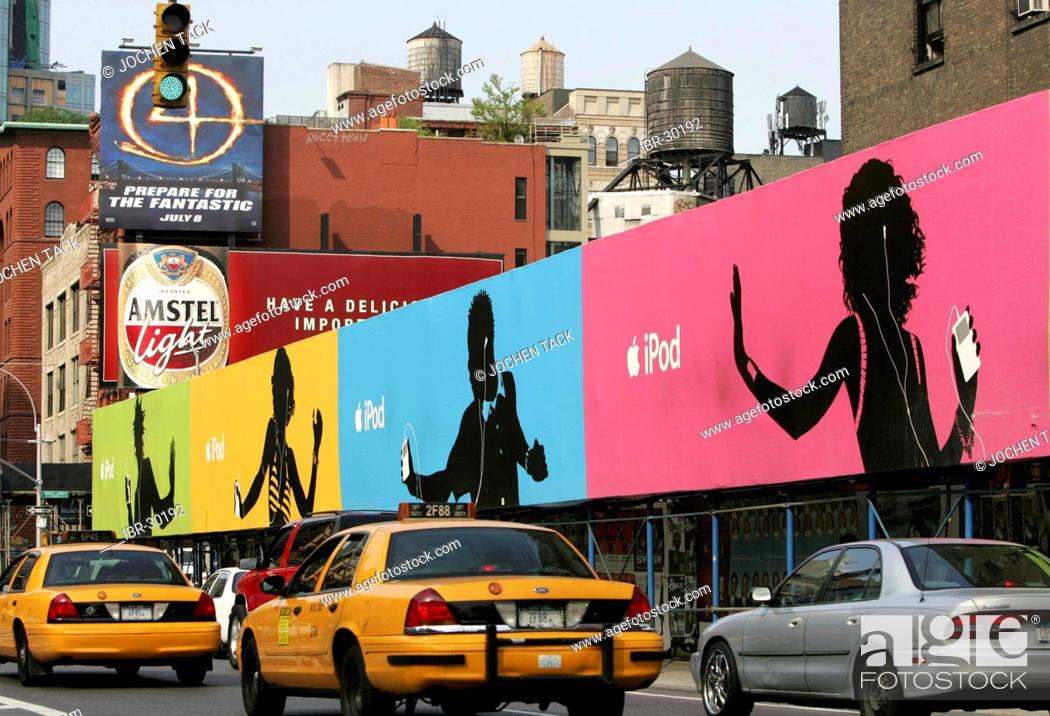
Byron Sharp* notes that the iPod advertising campaign “did not mention the term ‘MP3 player.’” In fact, “their advertising didn’t talk about this new technology at all.” 

Instead of selling new technology, Apple was selling joy. As Sharp explains, the iPod advertising campaign 

always employed the same silhouette figures against colourful backgrounds and these figures were always joyfully dancing (while listening to their iPods) and the white headphones were always obvious. Technical details were left to sales people and web sites to explain.

Carbonated Cough Syrup

red_bull_1525292174

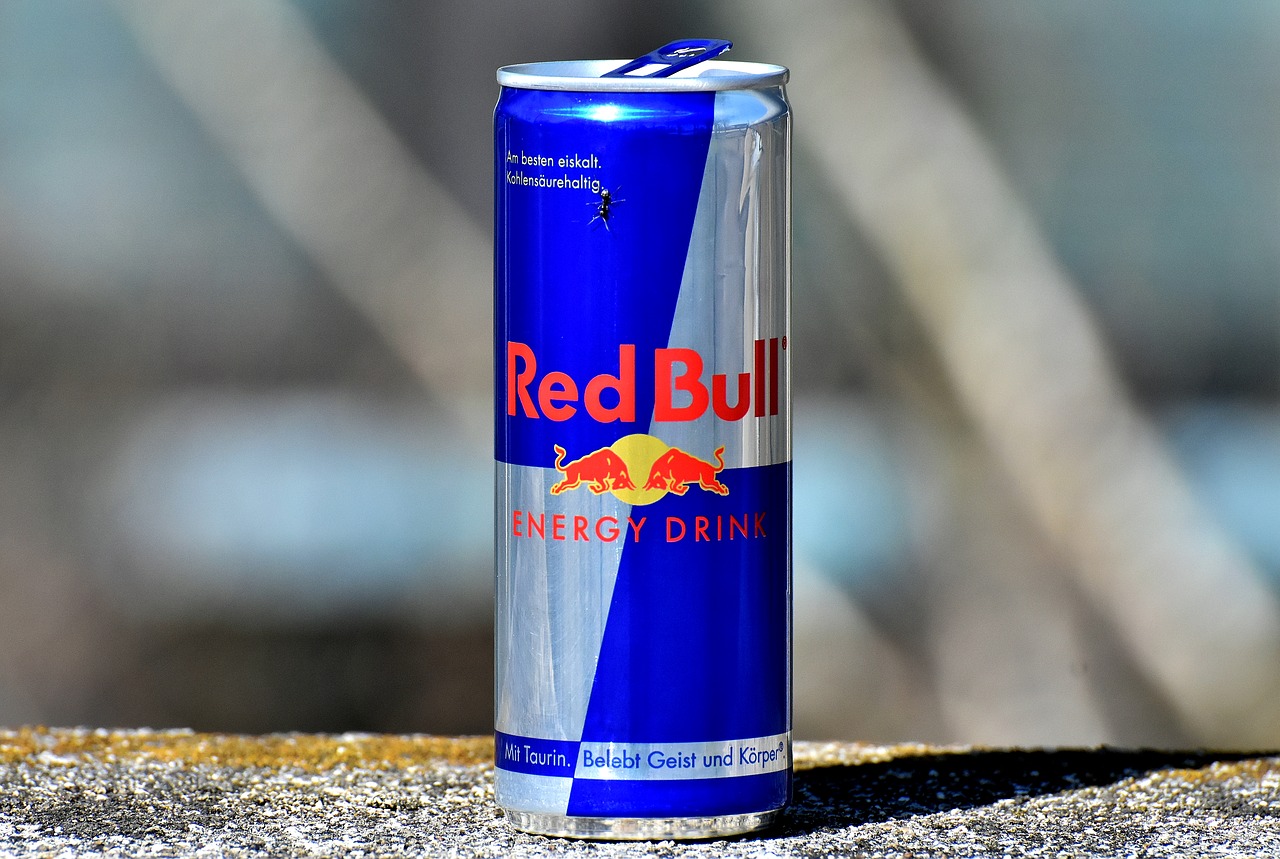
A lot of people are willing to pay three times as much for an 8-ounce can of Red Bull than they would for a 12-ounce can of soda. But when it comes to ingredients, the only real difference is that Red Bull has a lot more caffeine and a smidgen of Vitamin B. 

So how did Red Bull convince so many people to pay so much more for a beverage that tastes like carbonated cough syrup?

The obvious is answer marketing, which is the art of convincing people to buy things. One of the most effective ways to convince people to buy things is by appealing to their internal narrative, which is the story everyone tells themself about who they are.

According to Seth Godin**, “our actions are primarily driven by one question: ‘Do people like me like things like this?’” If you align your product with the customer’s internal narrative, you can make oodles of money.

To align their product with the internal narratives of millions of customers, Red Bull spends billions of dollars in advertising every year, creating the perception that people who drink Red Bull are:

  • Young
  • Healthy
  • Athletic
  • Male
  • Carefree
  • Adventurous

Different Can, Different Product

People drink Red Bull to get amped up on caffeine. But Red Bull had to convince customers that they weren’t just buying a new type of hyper-caffeinated soda. Instead, Red Bull sells people a whole new lifestyle.

By making the can so distinctive, Red Bull creates the perception that it’s a totally different type of product. 

Rory Sutherland*** of Ogilvy & Mather Group explains: 

How can Red Bull charge £1.50 a can when Coke only charge 50p? Weirdly you make the can smaller. Suddenly people think this is a different category of drink for which different price points apply. If the can had been the same size, I am not sure they could have charged £1.50. Logic won’t tell you that and research won’t tell you, because in research we all pretend we are maximisers and hyper-rational.

by Richard W. Bray

*How Brands Grow, p142

**This Is Marketing, p104

***Quoted in The Choice Factory by Richard Shotten, p67